

Ok, so first of all Wilde’s descriptions are enchanting and beautiful. He is such a talented writer. It is fitting that he uses such flowery language and description to tell this story because this story is intertwined with artistic and romantic aspects that make Wilde’s descriptions appropriate for the specific story.
Themes of identity, morality, youth, and evil are evident themes in this book. We have discussed these themes throughout our studies and it is no surprise that they are once again present in a piece of Victorian literature.
Dorian is a young, vulnerable, beautiful and easily influenced individual who serves and an archetypal figure of vulnerability. He essentially makes a deal with the devil that the portrait will reflect his growth and age but will remain young and handsome. This naive profession ends in disaster because Dorian realizes that one must get tired to fully develop.
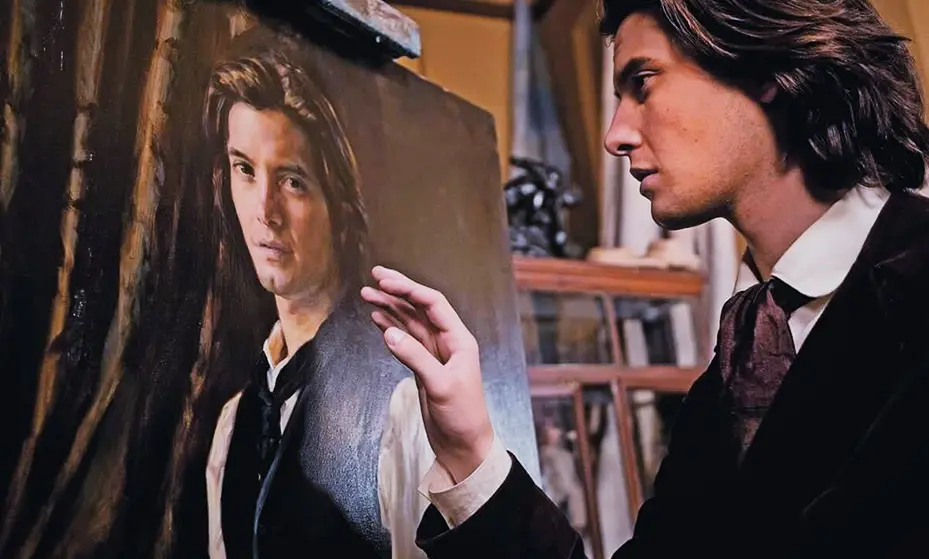
Dorian reflects on his portrait after it begins to change.
The name, like Oliver Twist, is a very important aspect in the book. Dorian Gray’s name may be related to the “gray” that overwhelms him after he becomes tired of the cynical ideas given by Wotton. Mrs. Vane’s name is not a mistake. Because the themes of self-indulgence are also present in this novel. Dorian is a vain man who falls in love with Sibyl Vane for her beauty and acting ability. Once he realizes that her acting suffers because of her happiness, he is displeased and acts in vain, telling Sibyl that he doesn’t want to see her anymore. The character of Mrs. Vane is a symbolic representation of what can happen when love takes over. Vane has never experienced true love before and this experience hinders her acting but helps her heart. Unfortunately, the vain Dorian cannot accept this woman now that her talent is gone. This non-acceptance leads to Vane’s suicide.
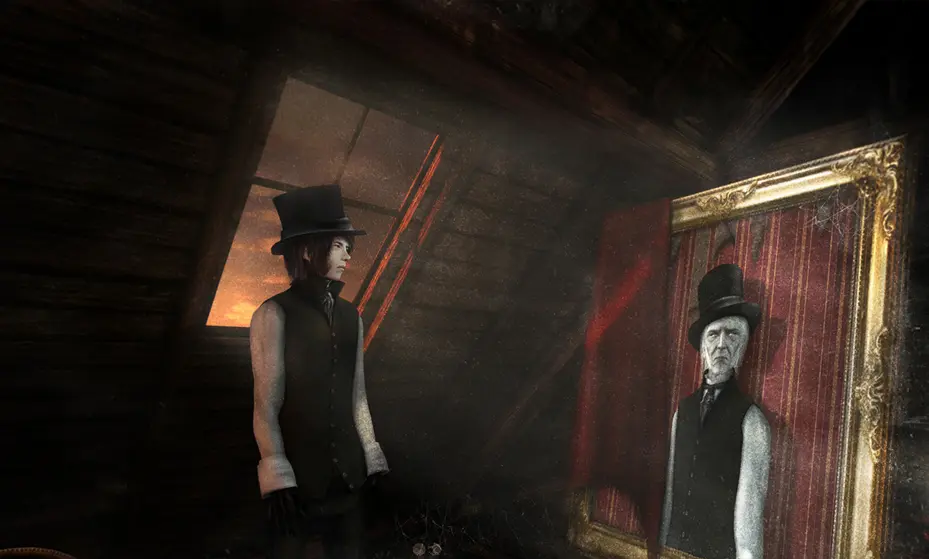
This image represents the hidden identity that Dorian is trying to hide. It may look beautiful on the outside but it is horrible and sinister on the inside.
Wilde says: “Experience is simply the name we give to our mistakes.” This quote is fitting for the novel because Dorian is making many mistakes and blatantly ignores Basil’s warnings. We learn that Dorian must make these mistakes in order to experience the above. The yellowed book that Wotton lends to Dorian is not a mistake; yellow represents the worn and tainted attributes that will soon be attributed to Dorian’s character. No one can see his ugliness because he hides it under a sheet of splendid satin. Thus indicating that you can be beautiful on the outside but horribly ugly on the inside. Furthermore, from some external research I discovered that an important theme in this story is Faustus… or Faustian? What I learned is the specific theme that presents a person making a deal with the devil. While there is no explicit devil in the book, the Faustian theme is clearly present.
